This post does not contain affiliate links.
Just before the pandemic started, after some debate about whether to make the change, I took the plunge and invested in more sustainable period products.
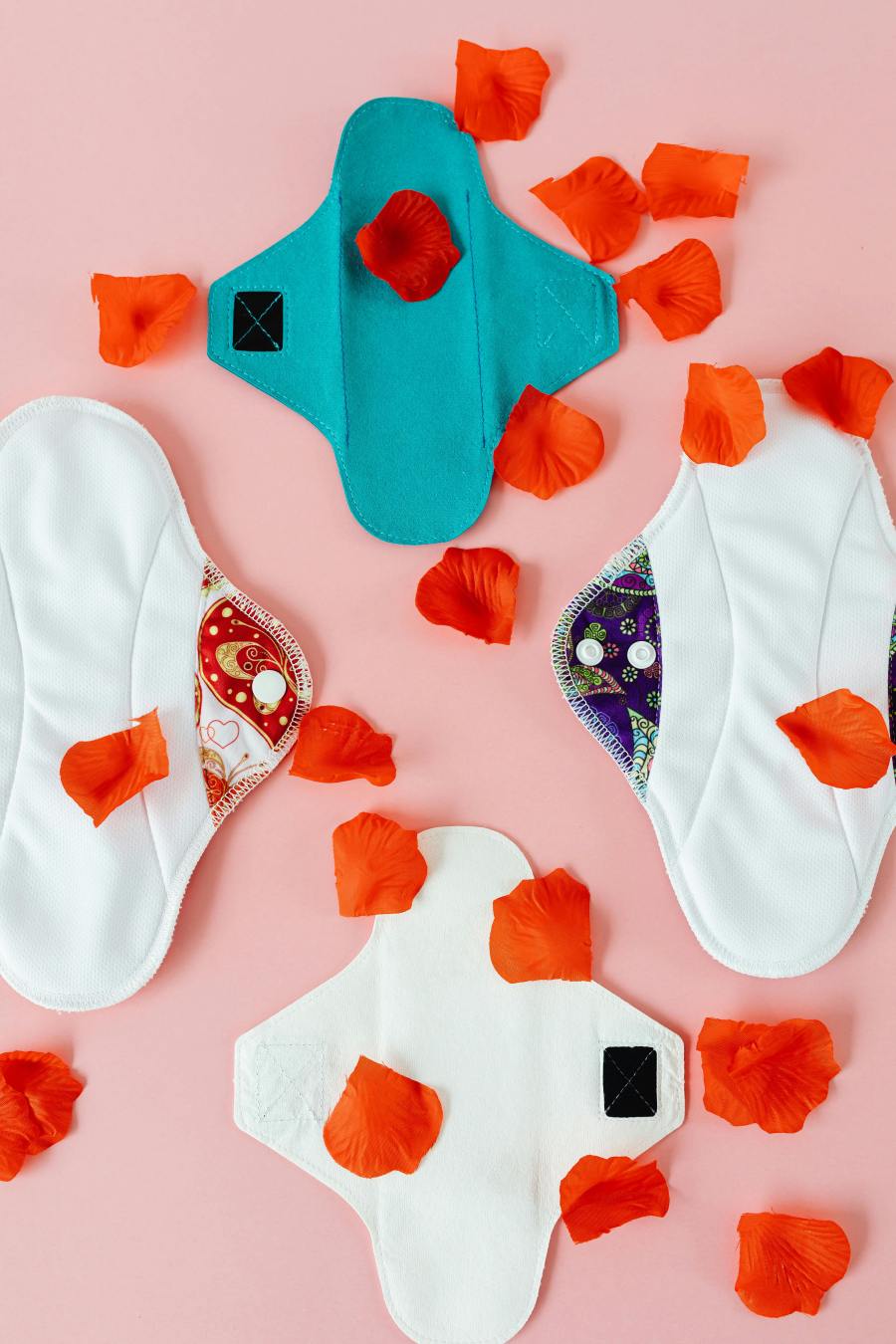
In January 2020, I invested in eight reusable cloth period pads, long and designed for heavy periods, with their accompanying wet bag. As well, I invested in a Mooncup, aka a reusable period cup. I wanted to do my bit for the planet, and as many regular period products have been known to end up in our oceans (not good, especially since most are made with plastic), I wanted to switch to a more sustainable alternative. Eight months later, I made an update, then another at the one year mark. Now, it’s been five years since I made the switch. So, how have I fared?
IT’S NOT FOR EVERYONE
That’s the first thing you’ve got to accept right out of the gate: It’s not for everyone, and that’s absolutely fine. You’re not a failure to the planet if you simply can’t use cloth pads or period cups for whatever reason. Make what little changes you’re able to, like bringing your own bags with you when shopping, or fixing your clothes via Make Do and Mend, instead of throwing the whole thing out, buying secondhand where possible etc. No one person can be absolutely 100% sustainable. Just do what you can.
COST-EFFECTIVE? IT DEPENDS
To be frank, reusables do come with up-front costs. So you’ll have to save up a little before making the purchase. At the time, my pads and wet bag cost £30 and the Mooncup £18, altogether £48. Pretty expensive, and given what I’d spend on pads and tampons (on average around £4-£5 per month on drugstore own brand), it would take approximately one year of using sustainable period products to have offset the cost. That then gave me at least a good 9-14 years’ use out of them (period pads can last 10-15 years before replacing). Five years after my purchase, means I have another 5-10 years of use, and so far, they’re still going strong as if they’re brand new. So that’s very cost-effective for me.
However, I needed to save up for these items. Some folks don’t have that luxury. So if you’re not able to do this, don’t feel shame for that.
COMFORTABLE AND PRACTICAL… KIND OF
I’d be lying if I said cloth pads were uncomfortable. They are easily the most comfortable pads I’ve ever worn. They can also be practical, as you don’t have to rush out to the shops to get pads when you’ve run out, and they’re easy to wash. Plus, no impromptu unwanted waxes from the adhesive wings like on regular period pads.
However…
The pads I got didn’t have the added friction on the bottom to reduce slipping. I figured with the popper buttons, with the fit of my underwear, it wouldn’t be needed. However, they can be prone to slipping out of place sometimes, which has left me having to readjust occasionally. Naturally Lady does sell anti-slip reusable pads now, which I’m definitely looking into buying.
If you’re absolutely adamant on cloth pads, I recommend different sizes or a backup, just in case. Let me explain. If you have heavy periods, sometimes cloth pads can feel a bit like a nappy. Not exactly the best feeling if you want or need to wear something that isn’t sweatpants or a maxi top/dress. So make sure to discern if your pads are office-friendly. Since I work from home, it’s easier in that regard.
If you’re looking for more sustainable options, I’d suggest a thinner cloth pad with a period cup for extra protection. For something not as sustainable but a good switch, I’d highly recommend organic cotton pads. Always make pads made with organic cotton, which are thinner but absorbent, and a good alternative if all your cloth pads are in the wash, or if you don’t want to switch immediately (or at all) to reusables.
I use these if my cloth pads are in the wash or need something more discreet under my clothes. While there are many different sizes of cloth pads, from panty liner and thong-sized, all to maternity, this is a good alternative.
MY CUP RUNNETH OVER
I’ll be honest, I’ve not used my Mooncup in quite a while. I don’t dislike the period cup. In fact, I highly recommend it. But, to be frank, they can be quite fiddly. When you’re out on the go, it provides good protection, better than a tampon in my opinion. The longevity of a period cup is good in that respect. However, removal can be a bit messy. If you’re squeamish about blood, I wouldn’t advise using it.
With that comes the risk of spilling if you’re in the bathroom and need to empty and clean your cup. As I mentioned in my first post about using the Mooncup, I’ve found the best way for me to insert and remove it (using the punchdown fold) is by propping my foot on the edge of the bath, à la Captain Morgan. I’ve tried different positions that are suggested, but this seems to be the best for me. There have been a few instances of spilling or leaking here or there. All I can say is thank God for tiled floors for easy clean up. It takes some getting used to, but once you do, any accidents can be greatly reduced.
I also found that the cup could sometimes exacerbate my cramps. Not sure why. It was one of the reasons I’ve not used it in a while. Over the years, my cycles have had me feeling more drained and crampy. So I’ve settled for simply using the pads, both reusable and organic cotton. However, if needing a little extra protection, I’ve used the odd tampon on occasion, but usually don’t need them as the pads are very absorbent. Having said that, it’s good to still have some in stock for emergencies.
CONCLUSION
I highly recommend. It gives me a sense of satisfaction knowing I’m using more sustainable period products and being more eco-friendly. I also don’t have to worry about rushing to the shops in case of running out of pads, since I have the reusables. Despite upfront costs, it’s saved me money in the long run. Discern what works best for you. There are tonnes more options for sustainable period products, including period underwear, menstrual discs etc. With the increase in demand for better options, they are more accessible than they were five to ten years ago. But it’s not for everyone, and if you can’t, that’s absolutely fine. Just do what you can.
*Image – Pexels stock photo
* Please support your local period poverty organisation and/or please consider buying menstrual products to donate to a collection point, shelter, or to a friend or family member who needs them. Period Poverty UK is an organisation to have a look at.
 Becoming Violet Grey